It's Not Enough To Investigate Police Officers On The Ground

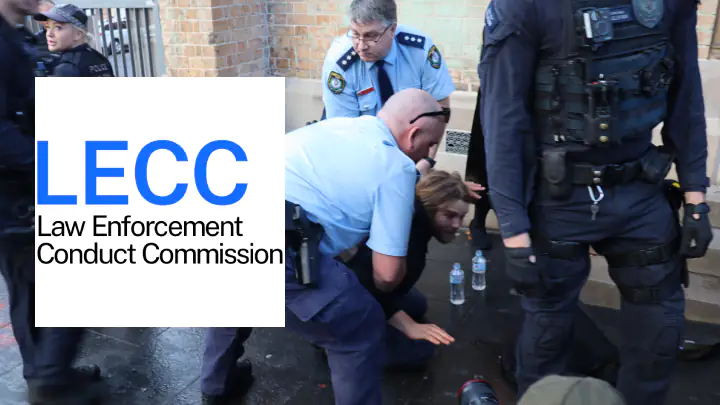
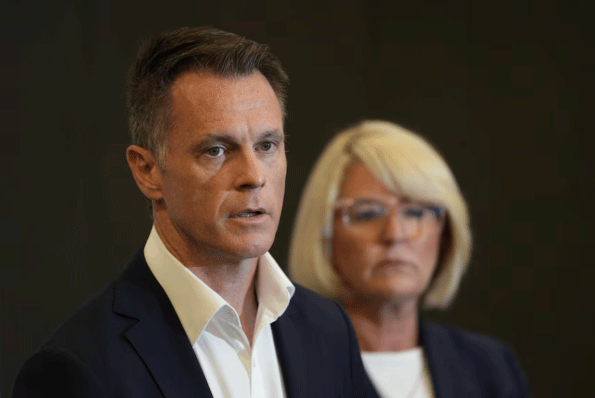
Chris Minns admitted, "They did everything we told them to do"
The Law Enforcement Conduct Commission (LECC) has announced it will investigate Monday night’s protest, a move that comes amid significant public concern over the actions of the New South Wales Police Force. While oversight is necessary, the community cannot accept a process that risks narrowing the focus to technical police misconduct while sidestepping the deeper questions that have emerged. An investigation must not become a procedural shield that contains political fallout without delivering genuine accountability for Premier Chris Minns and Police Minister Yasmin Catley.
What is required at this moment is not a narrow misconduct review, but a comprehensive and independent inquiry into the full chain of political and operational decision-making that led to the events of Monday night.
If serious concerns have been raised about the conduct of officers from the New South Wales Police Force, then examining frontline behaviour alone will not be sufficient. Policing does not occur in a vacuum. Major public order operations are shaped by directives, legal interpretations, risk assessments and strategic instructions issued well before officers step onto the street.
The public deserves clarity on what role, if any, was played by Premier Chris Minns and Police Minister Yasmin Catley in the lead-up to the protest. What briefings were sought? What concerns were expressed? What expectations were communicated regarding enforcement? Were there explicit or implicit signals that a hardline approach was to be taken?
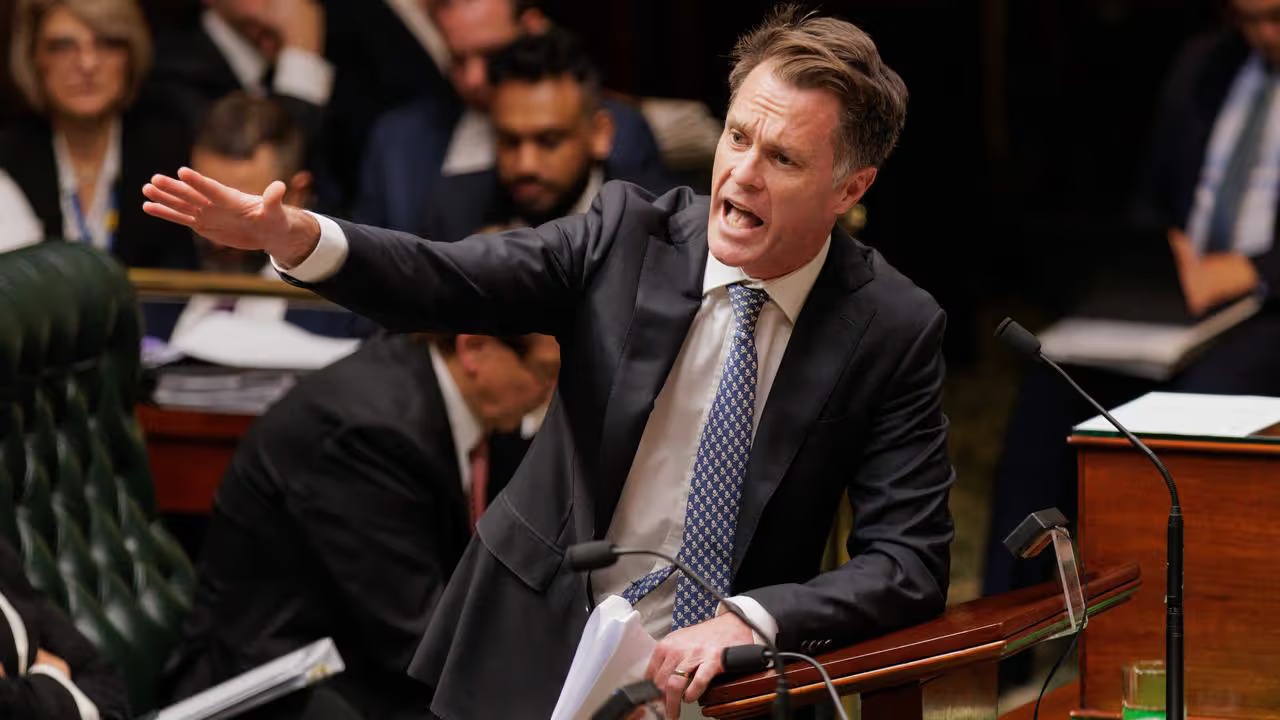
Premier Chris Minns’s statement that police “did everything we asked them to” only deepens the need for scrutiny. If that is the case, then the public is entitled to know precisely what was asked of them. That comment shifts the focus from individual officers to the political direction that shaped the response. It raises a fundamental question: were the tactics witnessed on the ground the spontaneous actions of frontline police, or the implementation of expectations set at the highest levels of government? If the Premier is standing by the conduct of the operation, then transparency about the instructions, briefings, and strategic objectives behind it is not optional; it is essential.
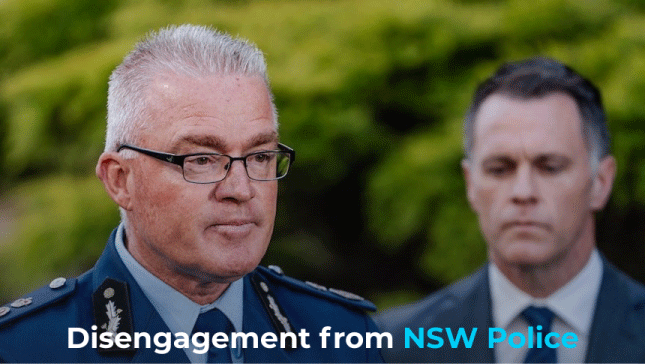
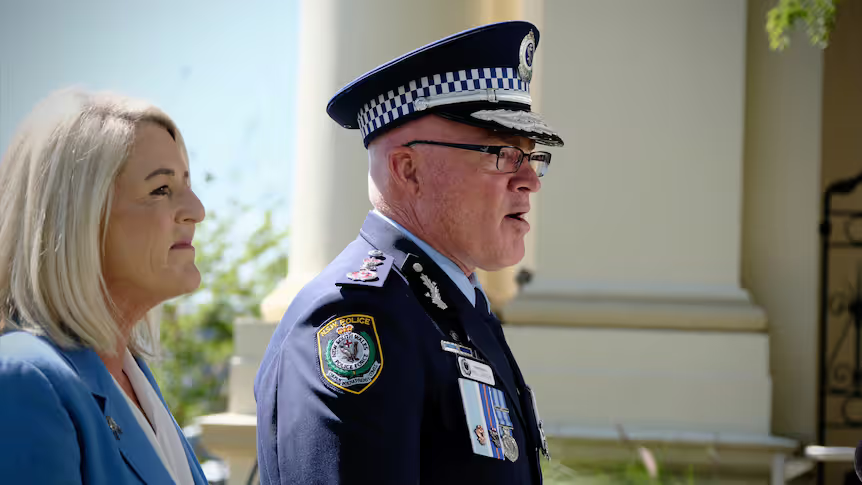
Equally important is the role of the Police Commissioner, Mal Lanyon. What operational advice was provided to government? What instructions flowed from senior command down through the ranks? Were escalation tactics authorised at a strategic level? Were enhanced powers interpreted in an expansive way? These are structural questions, not individual ones.
It is necessary to determine whether officers who acted aggressively and disproportionately engaged in rogue behaviour, or whether their actions were the predictable outcome of policy settings and command decisions made at the highest levels. Without examining that broader context, any investigation risks becoming a limited exercise focused on individual scapegoats while leaving systemic drivers untouched.
A credible inquiry must therefore:
- Examine communications between the Premier’s office, the Police Minister and police command.
- Review operational planning documents and directives issued prior to the protest.
- Assess how legal powers were interpreted and applied.
- Determine whether political pressure influenced policing posture.
Public confidence cannot be restored through a narrow review of a handful of officers. It requires transparency about how decisions were made, who made them, and whether those decisions contributed to the events witnessed.
If accountability is the objective, then scrutiny must extend from Parliament House to police headquarters, and all the way to the street. Anything less will leave fundamental questions unanswered and further erode trust.