The Precedent Chris Minns is Leaving NSW

Political Mistakes That Must Be Abandoned
Precedent only survives when it is not challenged.
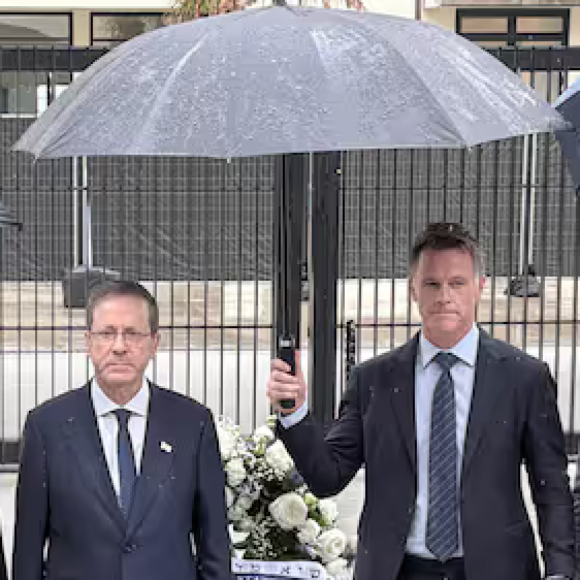
If the environment at the Town Hall protest on Monday night was deliberately constructed (which it certainly was), it must be confronted deliberately. No more private meetings that produce nothing. No more quiet reassurances while laws expand and police powers grow. No more political credit extended to leaders who respond to dissent with force and call it cohesion. There can be no cover for any politician without consequence and accountability. Engagement, in this case, has functioned as protection to those who have shown they will use it to permanently damage NSW.
Stop treating proximity as influence. Stop mistaking invitations for power. Stop confusing polite conversation with political impact. Power responds to cost, not courtesy.
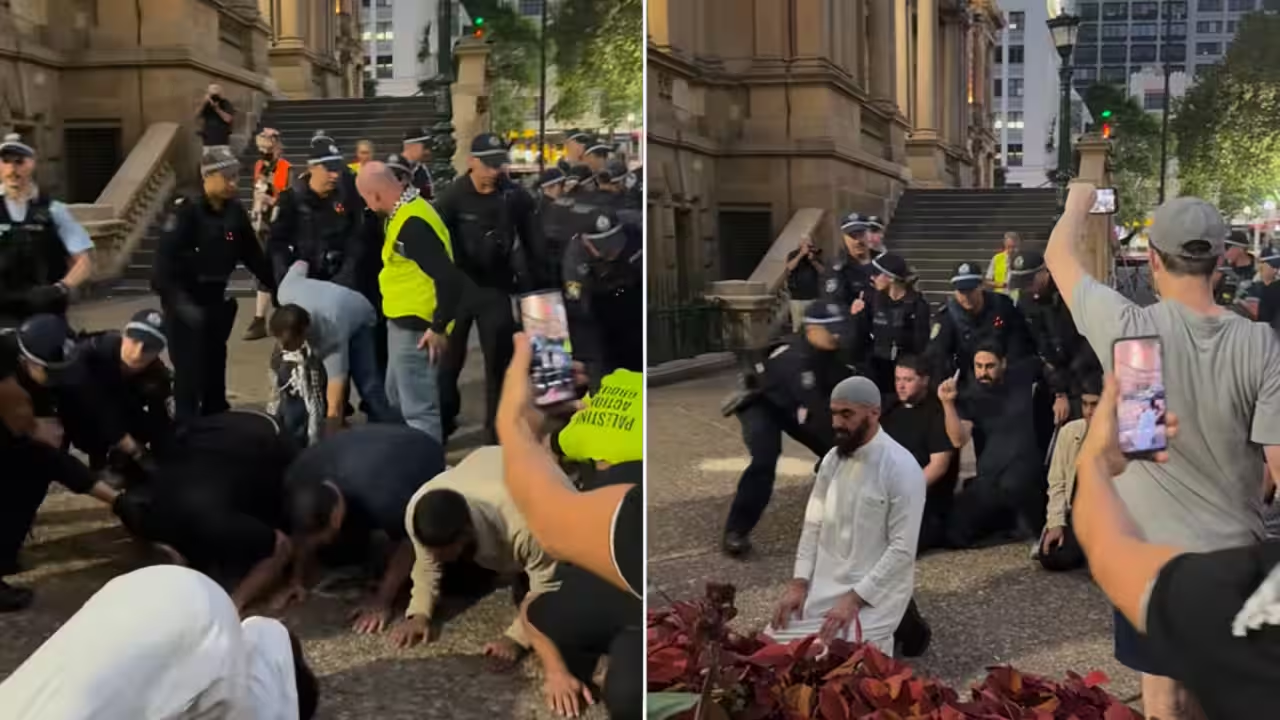
On Monday, 9 February 2026, the State of New South Wales used brutal and aggressive force against protesters, worshippers, elected representatives and media in the heart of Sydney.
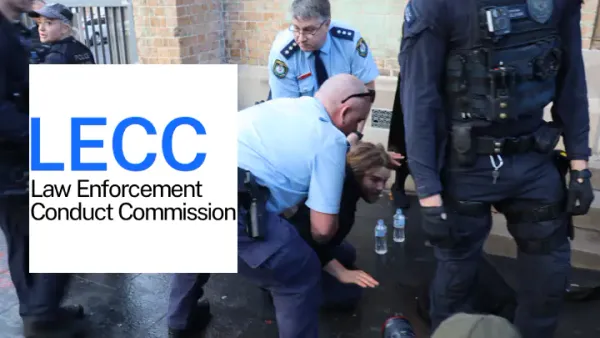
The injuries and footage that emerged from that night: broken vertebrae, punches thrown, pepper spray deployed at close range, a 16-year-old restrained after being kicked and kneed, and Muslim worshipers (men and women) thrown across the ground, were the direct result of an environment Premier Chris Minns, Anthony Albanese and Tony Burke created. And they occurred under the authority of a government that has since publicly defended the operation. Some of the documented injuries and incidents are:
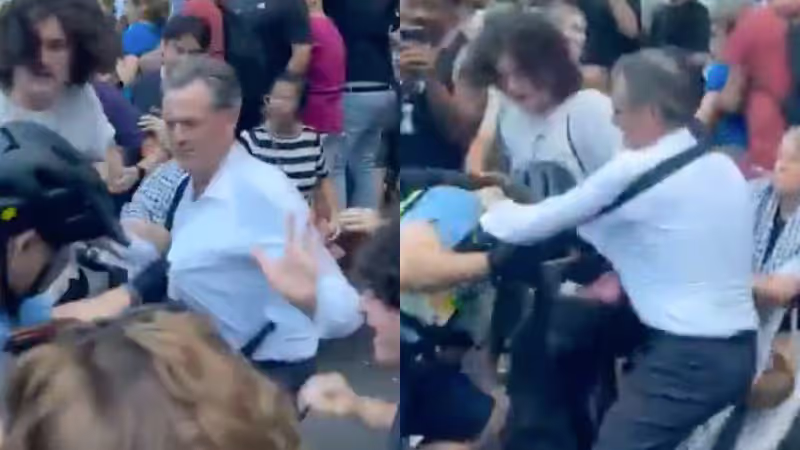
- An unnamed man with arms raised is seen being punched repeatedly by the police. The footage shows the bike squad officer grabs his shirt and appears to trip over his bike, before two other police officers start punching the white-shirted man.
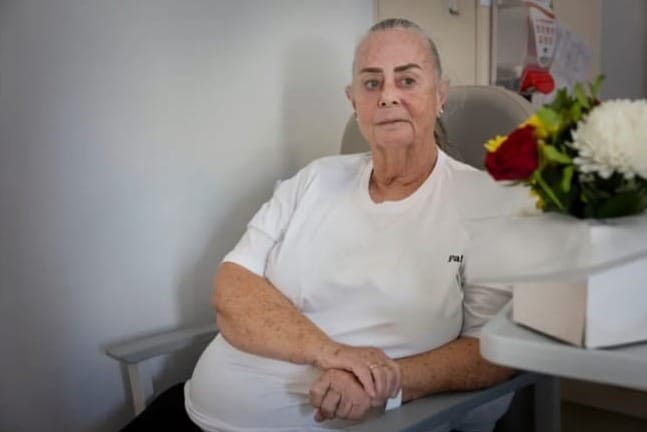
- Jann Alhafny, 69, suffered four broken vertebrae after being pushed to the ground “very violently” by a police officer, then pulled up while injured.
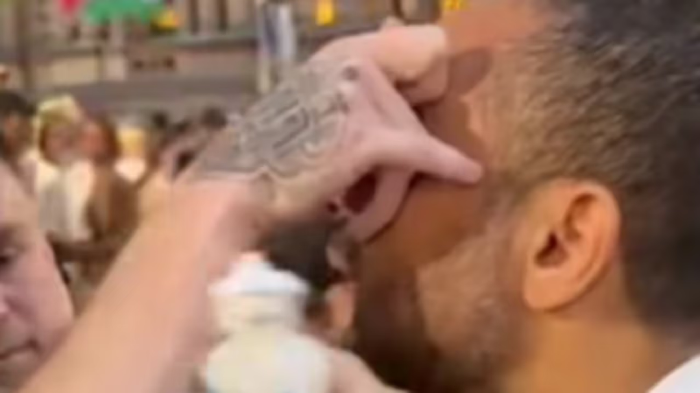
- Jordan Ryan Hennessy, photographed as pepper-sprayed (eyes being washed out) during the police deployment of OC spray.
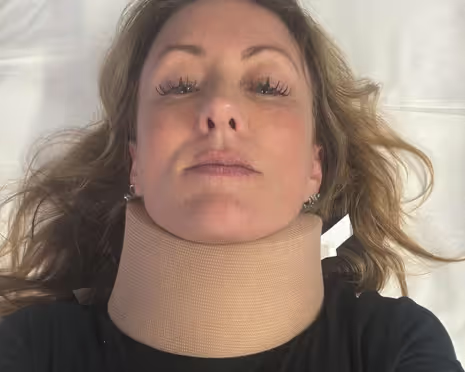
- Abigail Boyd (NSW Greens MLC) was punched in the face by police, leaving her in a neck brace while she was observing police actions around the prayer group.
- Muslim Worshippers in prayer were physically assaulted during prayer. Some were thrown across the ground, some were kicked in the back, and some were dragged along the ground.
- Cumberland councillor Ahmed Ouf was pepper-sprayed, saying he was between police and children, and experienced temporary loss of vision/burning.
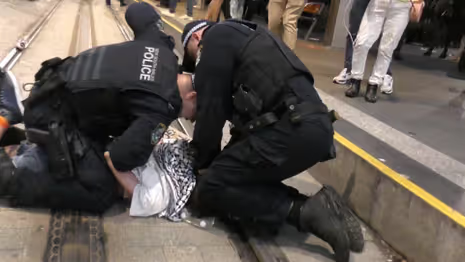
- Nedal, a 16-year-old boy, was grabbed by the keffiyeh, dragged, kicked, kneed to the head and neck and then placed in handcuffs
- Unidentified man (viral clips), multiple outlets and rights groups described footage showing police punching a man; ABC also reports organisers citing videos of police punching protesters.
- Media persons forcibly pushed by officers (reported by SBS), including people with press passes displayed.
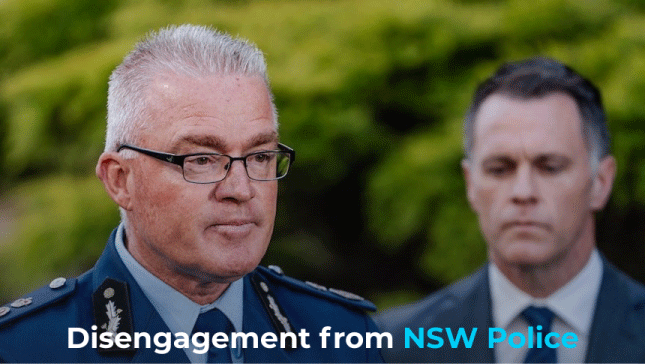
Assistant Commissioner McKenna, "I absolutely think police actions were justified."
The Environment Was Created
Incidents like this do not materialise spontaneously. They occur within a political environment that has evolved over time. That environment is influenced by how a leader speaks about protest, how they instruct police leadership, what legislative tools they support, and which forms of dissent they characterise as legitimate or destabilising.
While Chris Minns did not personally deploy the pepper spray, he controls the tone, the policy settings, and the expectations under which policing operates. Over the past two years, his government has consistently framed anti-genocide and pro-Palestinian demonstrations as public order risks rather than as political expressions. The language of “social cohesion” and “community stability” has been used to justify visible and expansive police mobilisation. When protest is repeatedly cast as a threat by the Premier of NSW, the police's role and mind-set shifts from managing lawful assemblies to asserting authority over them, despite 2.5 years of peaceful demonstrations.
Expanded Police Powers
Legislative expansion reinforces that shift. When special powers are granted to the police, particularly in a political climate charged by security narratives, the bar for police intervention is lowered significantly. Officers on the ground understand that the government has endorsed a zero-tolerance posture. Officers act within the confidence that visible force will be publicly defended. Indeed, after the events of 9 February, both the Commissioner and the Assistant Commissioner of the NSW Police Force justified the police actions. That confidence does not arise independently; it rests on an expectation of political backing.
So no, this does not happen in a vacuum. It happens where authority has been increasingly expanded, protest securitised, and political alignment aggressively reinforced. The night of 9 February was an event, but the environment that made it possible was a process.
The environment that produced the Town Hall protest was intentionally created and will not dismantle itself. Engagement without consequence must end. Quiet diplomacy must no longer substitute for public accountability. Support cannot continue for leaders or Law Enforcement who escalate against protest and justify it as social cohesion or order. The shield for politicians and institutions from accountability must be withdrawn.
The Muslim Vote is a Future Investment in Community
Donating to The Muslim Vote is not a donation to a moment; it is an investment in long-term political capacity. TMV builds infrastructure, strategy, research, and organised community power that outlasts election cycles. Your support strengthens the systems that convert collective concern into lasting political consequence.